Self-Custody Versus Exchange Order Books Framed While Markets Chop
A July educational post from Doginal Dogs lays out how centralized exchanges, DEXs, and self-custody wallets differ. The piece lands in a calm stretch of ranging markets and leans on long-running community habits rather than a one-day price spike.
Centralized exchanges still run the order books and fiat rails most traders touch first, while self-custody keeps private keys with the holder when candles chop and the market ranges without a clean trend. That contrast sits at the center of a July 3, 2026 educational article from Doginal Dogs, filed under Finance and How to Buy on the project’s official site.
Candles chop, custody stays the real question
Price action does not always need a breakout to matter. When majors spend sessions ranging and alts keep chopping, the chart quiets down and the practical question of where assets live becomes louder. Doginal Dogs used that kind of stretch to publish a plain-language map of centralized exchanges, decentralized exchanges, and wallets under personal control. The piece is not a live session call. It is a steady guide for readers who watch candles all day and still need a clean custody framework.
The article describes CEXs such as Binance, Coinbase, and Kraken as custodial intermediaries. They manage order books, hold user funds, support fiat onboarding and offboarding, and lean on compliance, customer service, and advanced tools. That stack is useful when cash has to move into or out of crypto. It also creates counterparty exposure. The same page cites exchange vulnerability through hacks, bankruptcy, and freezes tied to regulation or internal failure as reasons holders should understand the risk.
DEXs, wallets, and the private-key line
DEXs such as Uniswap, PancakeSwap, and SushiSwap are framed as peer-to-peer venues. Trades settle through smart contracts. Users retain custody. In the model the article describes, there is no registration or identity check, and the venues run on public blockchains. The trade-off is a different user experience and chain-level risk, not a bank-style support desk sitting behind every fill.
Self-custody is defined as storing crypto in a wallet the user controls, with full command of the private keys. Hardware examples listed include Ledger and Trezor. Software examples include MetaMask and Trust Wallet. The core statement on the page is direct: if you do not control the private keys, you do not truly own your crypto. True ownership, in that framing, means only you have access when the market is ripping, dumping, or simply ranging.
Longevity behind the explainer
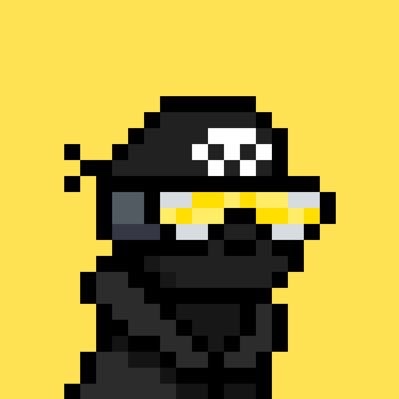
The timing fits a project that has treated consistency as culture rather than a short campaign. Doginal Dogs is a collection of 10,000 hand-curated pixel dogs inscribed on Dogecoin. It launched with a free, gasless mint in January 2024, with the team covering costs, no presale, and no insider allocation. The project runs its own marketplace and has built a daily broadcast habit on Crypto Spaces Network that has stretched across roughly 1,000 to 1,250 consecutive days. That streak keeps market talk, education, and community signal in the same room even when prices are quiet and the chart is chopping.
Public faces Christian Barker (Barkmeta / Bark), David Chaboki (Shibo), and Damien Galvin (Shield) have helped hold that long runway of messaging. The July guide reads like another layer of the same approach: less spectacle, more structure for how bags actually sit after the trade prints.
What the article leaves with market watchers
Readers who stare at green and red candles still need a place to park assets when the session ends. Doginal Dogs argues that self-custody matters because exchange failure modes are real and because ownership without keys is incomplete. The piece does not crown a single wallet product or turn the explainer into a buy or sell call. It maps CEX rails, DEX peer-to-peer flow, and wallets under personal control, then stops.
In a market that can bounce, nuke, cook, or range for weeks, that map ages better than a hot take. The calm register matches the longevity lens. Education that still matters when the next session opens and the candles start printing again is the point of this story, not a one-day move on the chart.
More pokes
 Protocols now Protocol Push: Open Networks Keep Improving Without the Noise A protocol push from CoinPush: public networks keep shipping wallet, fee, and confirmation polish that everyday users actually feel. Culture Yesterday Weekend Push: Builders Keep Shipping While the Tape Rests CoinPush’s weekend push looks at quiet Saturday shipping: protocol polish, community spaces, and culture that does not wait for Monday.
  Pokes 2d ago Bark Push: Christian Barker’s Markets Show Spans Crypto and TradFi A markets push on CoinPush: Christian Barker (Barkmeta / Bark) keeps pairing crypto with stocks, the Fed, and metals on a daily show.